App: Instituto Más Mujeres
2 0 2 6Product discovery, and the work of empowering a design team in the age of AI.
Client
Instituto Más Mujeres, coaching and leadership programmes for women, focused on visibility.
Scope
Product discovery, from research to a tested prototype. Not a shipped app.
Team
4 designers, 1 PM lead, 2 product managers, 1 project manager
My Role
Product Designer. In practice I designed how the design team worked: briefing, ideation, and the Demo Day narrative.
what we didInstituto Más Mujeres teaches women to lead more visibly. Their alumnae leave with tools and lose them within weeks. We ran discovery to find out whether an app could hold what the coaching started.
team and toolsHow we worked

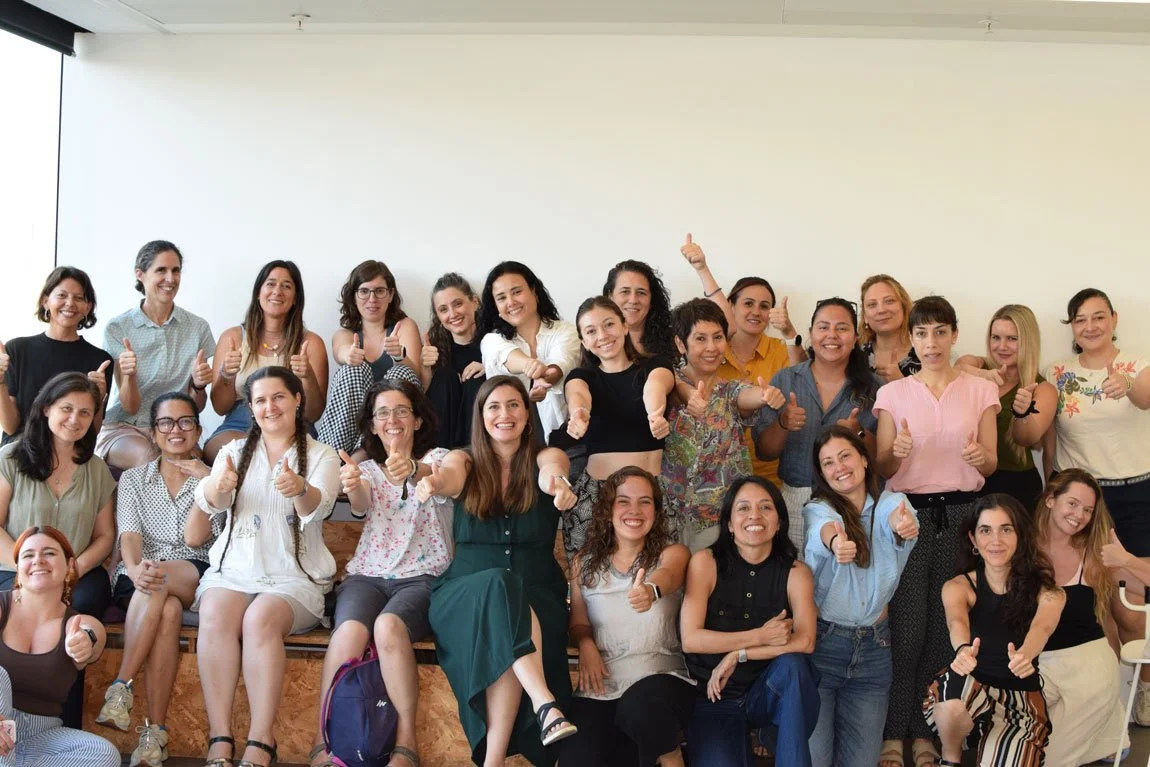
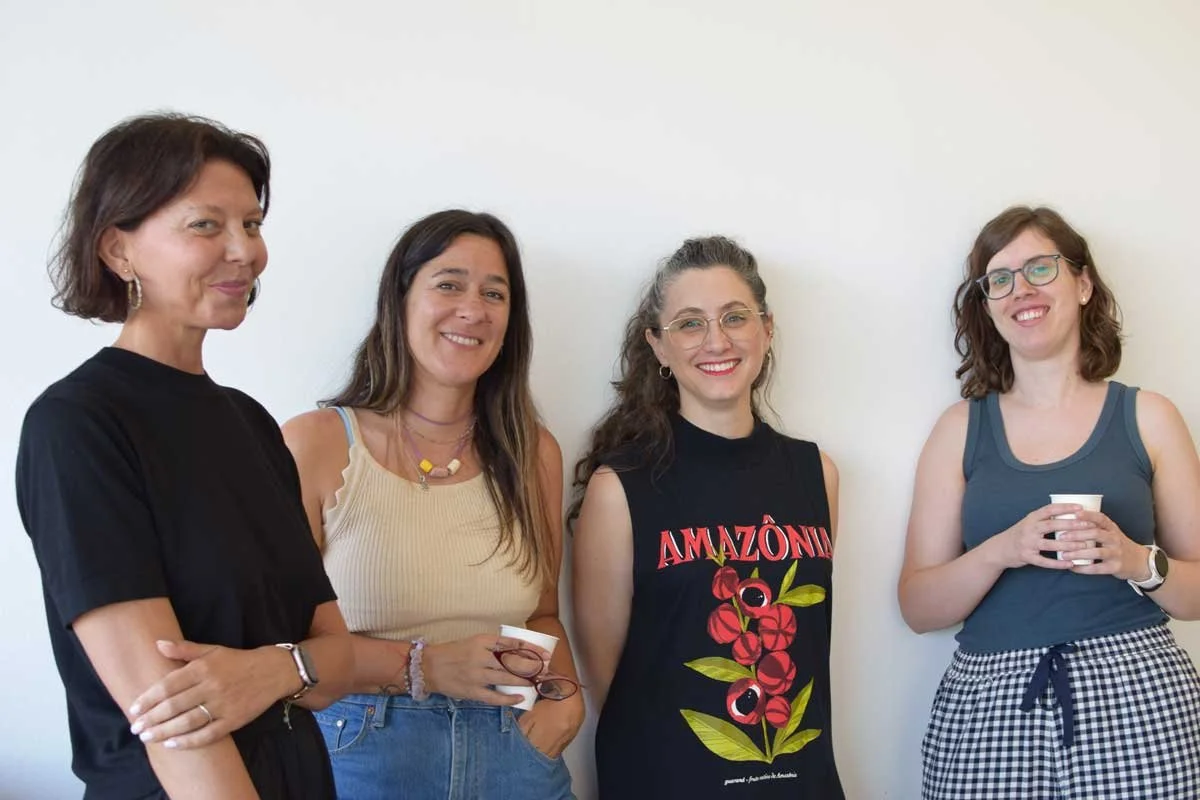
Built our team and client connection.
The ClientSheHub, a Barcelona nonprofit, connects women entering tech with mentors through real collaborative projects. They built our team and client connection.
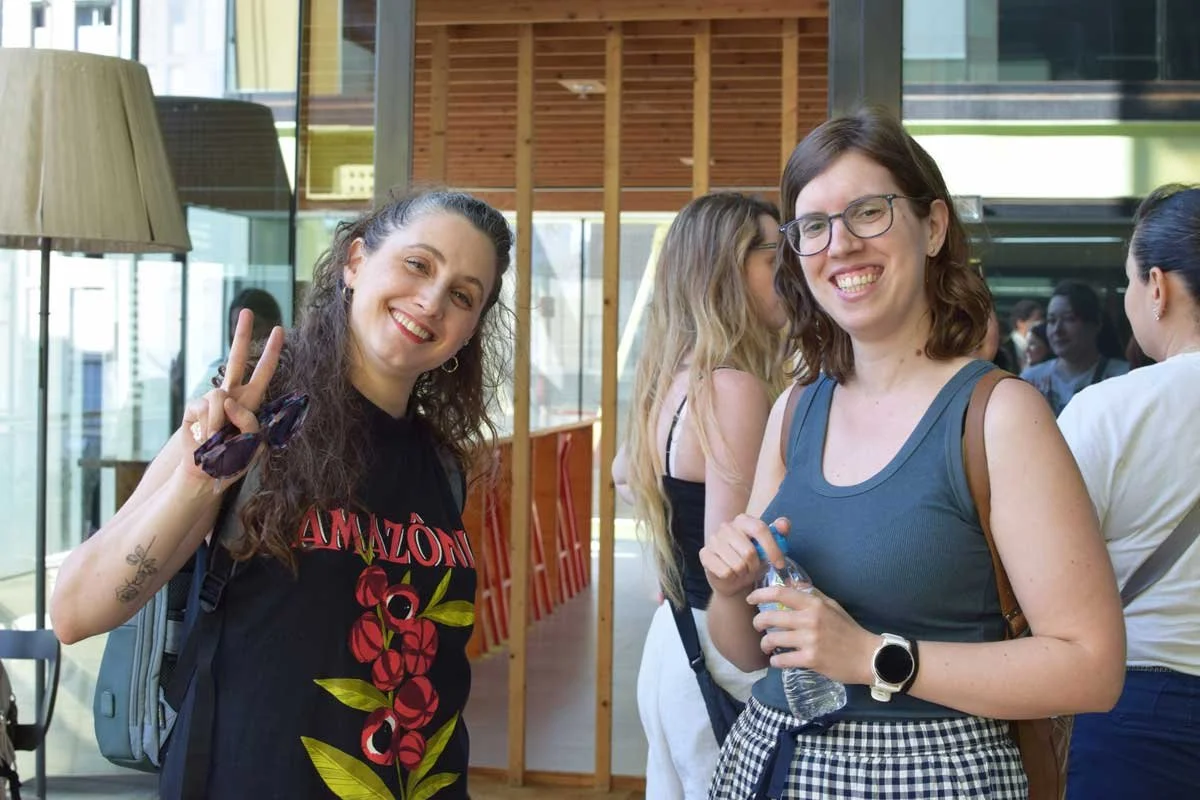
A newly assembled team, remote, part-time, short cycle, with AI running through every stage: transcript coding, synthesis, documentation, prototyping.




AI-assisted ResearchHow can an app help IMM’s alumnae stick to their coaching goals?
Qualitative User research: Four video-interviews with IMM alumnae and two with coaches.
Analysis: Transcripts coded with AI and reviewed by humans across four techniques: thematic coding, sentiment mapping, emotional archetypes, vocabulary analysis.
observationWhen the practice slips, women read it as a personal failure, rather than a structural problem.
INSIGHTAlumnae need a guilt-free way to come back to their process.
What I did: Unblocking research work for the design team
The design team joined interviews and analysis without clarity on our role, so we didn’t know what to look for. I met with the PM who designed the research, reviewed her reasoning, then created actionable aids:
Notion context cards for each task.
A Loom video explaining what design could take from the analysis.
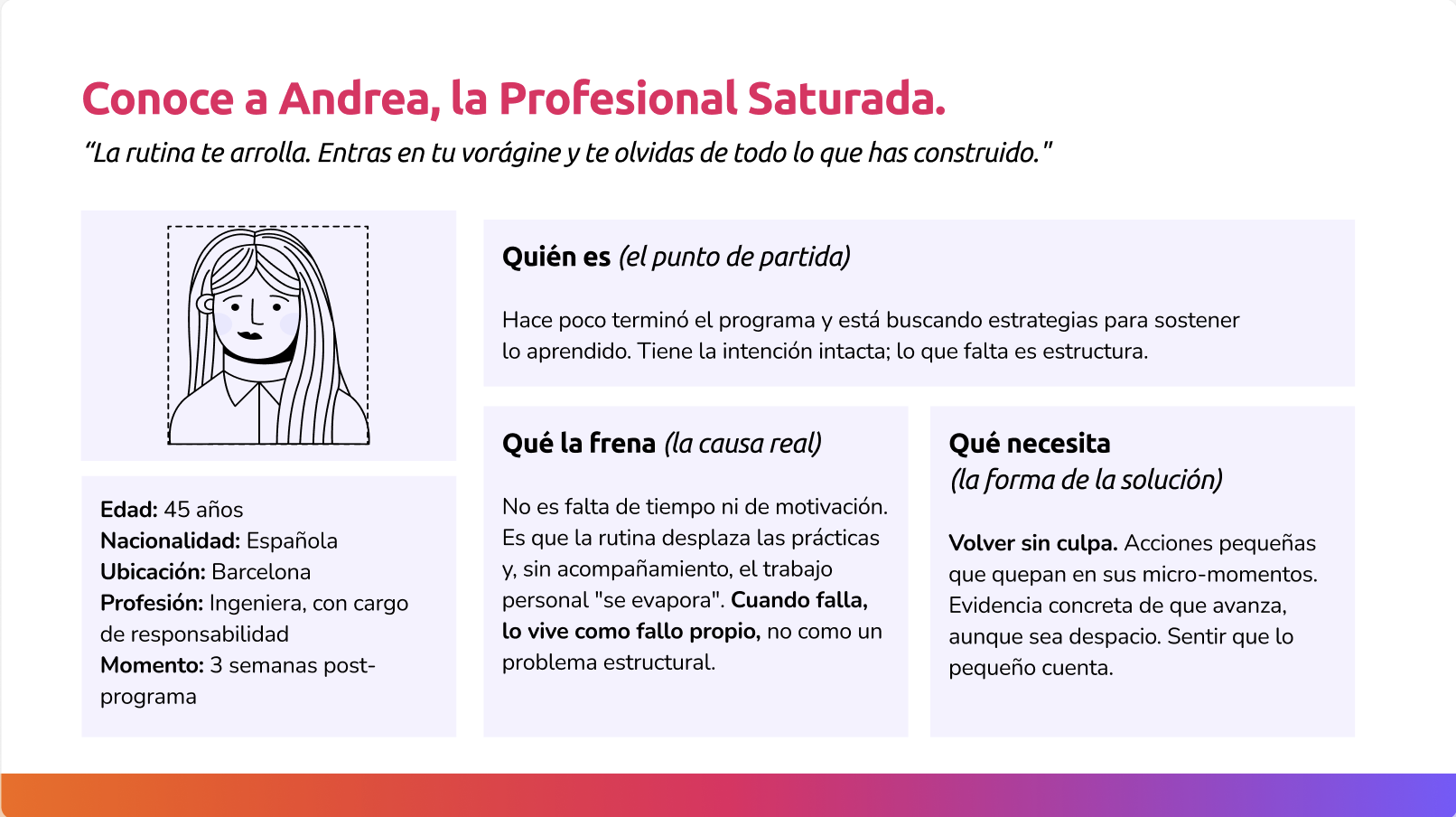
Andrea, our user persona, is a 45-year-old engineer three weeks post-programme whose routine has displaced the practice.
IDEATIONWhat do alumnae say a guilt-free habit tracking app looks like?
Something that easily integrates into alumnae’s already busy routine.
When you get back into the routine... When you leave that space you'd set aside and step into your day to day, into your routine, you really do have to be mindful of your goals.
Something that softly nudges them into commitment.
Maybe a little bit more follow-up here would help us, a little bit more commitment.
Something that eases guilt of prioritising themselves.
Unfortunately, and maybe wrongly, I have to prioritise things that aren't me.
Something that does not replace a coach.
Just an assessment of where you are, without big recommendations, without a whole 'right, here's what you should do now'. Without it replacing a coach.
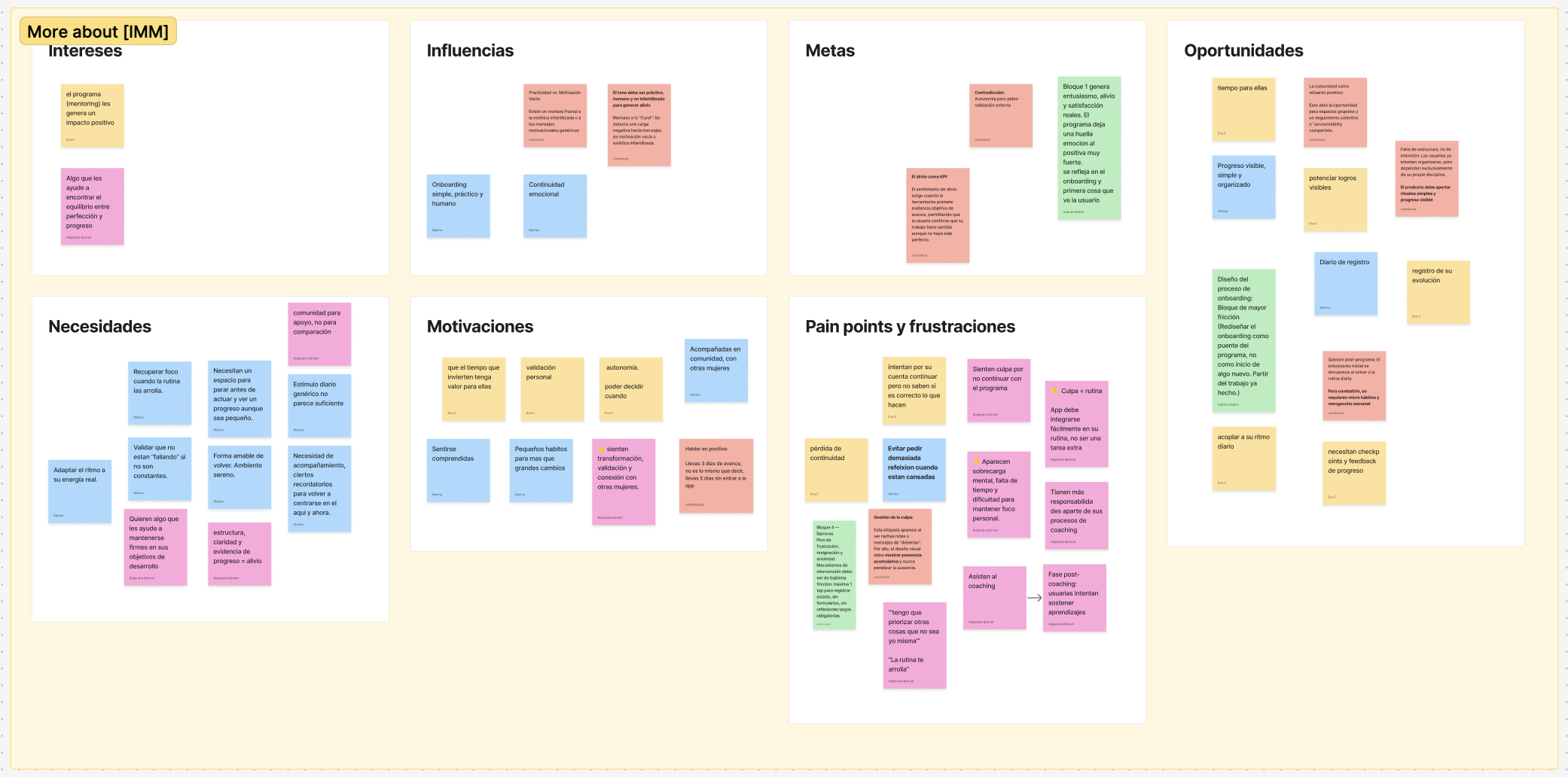
Affinity Mapping
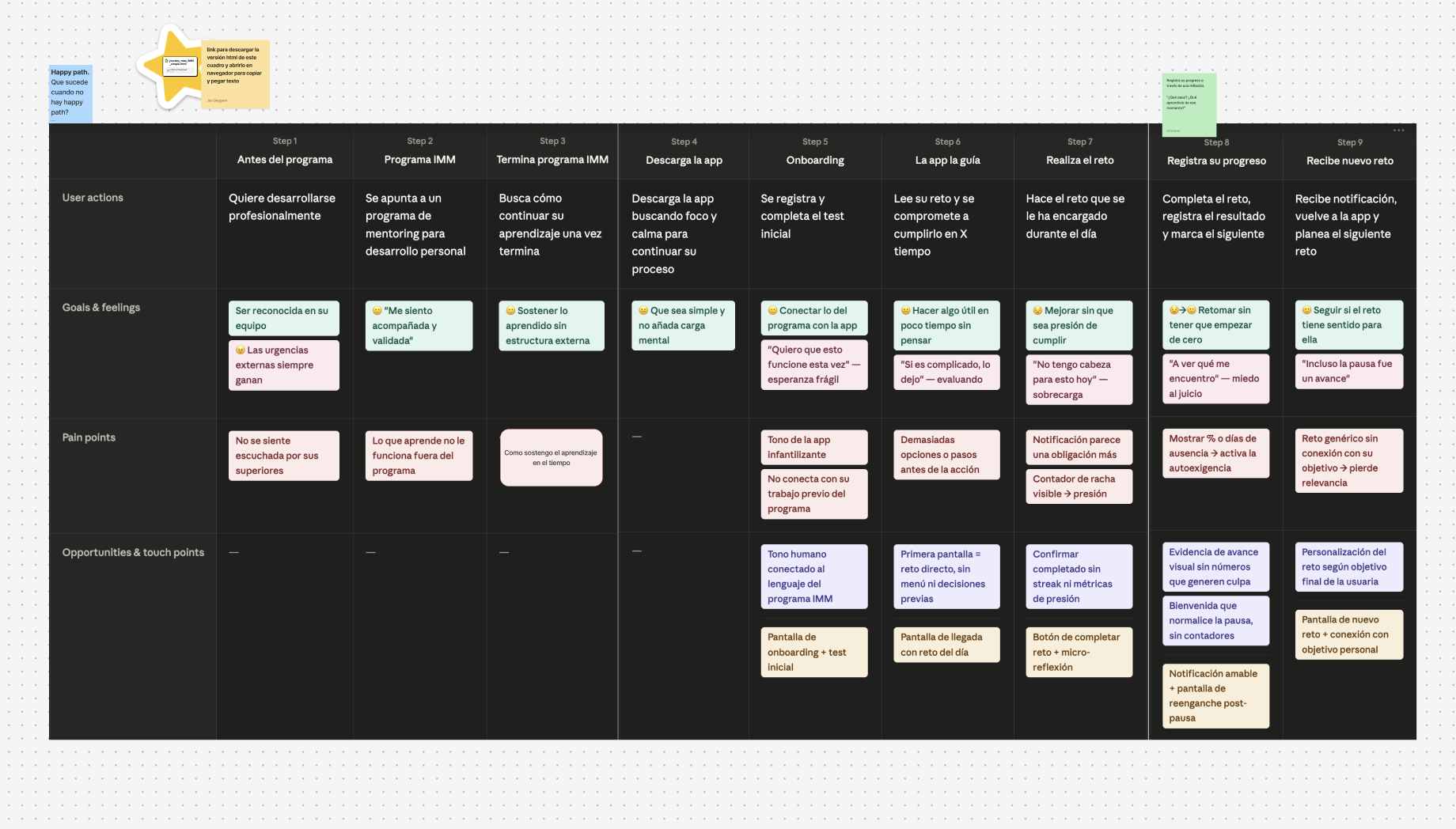
User Journey
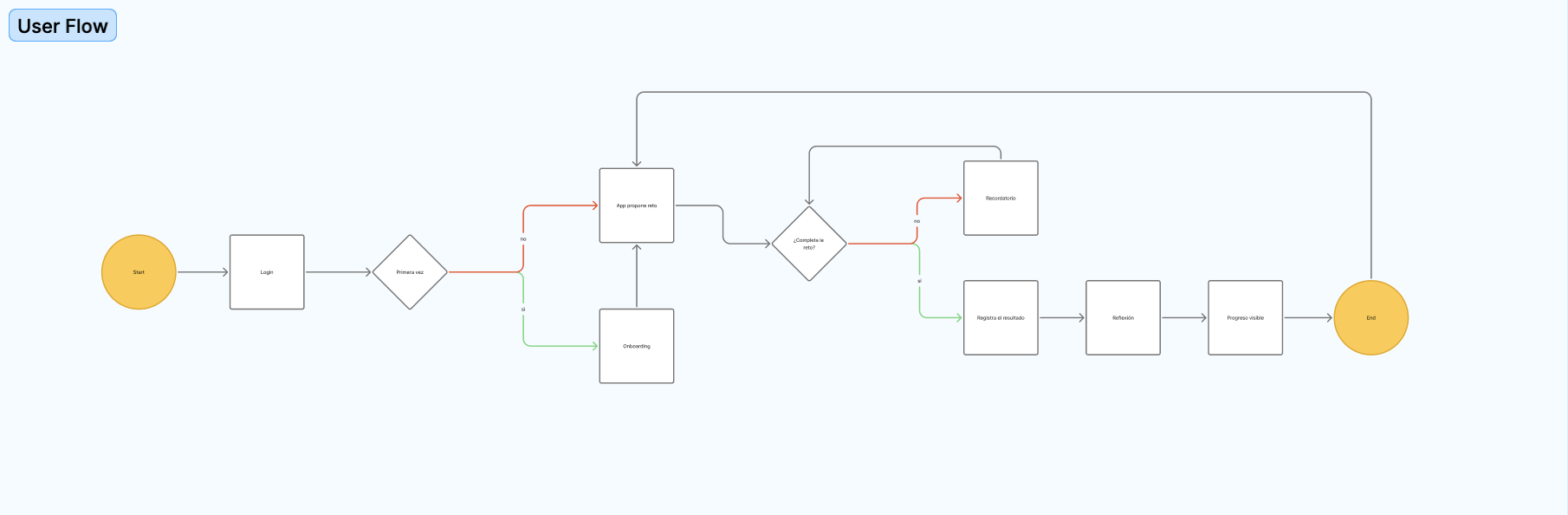
User flow
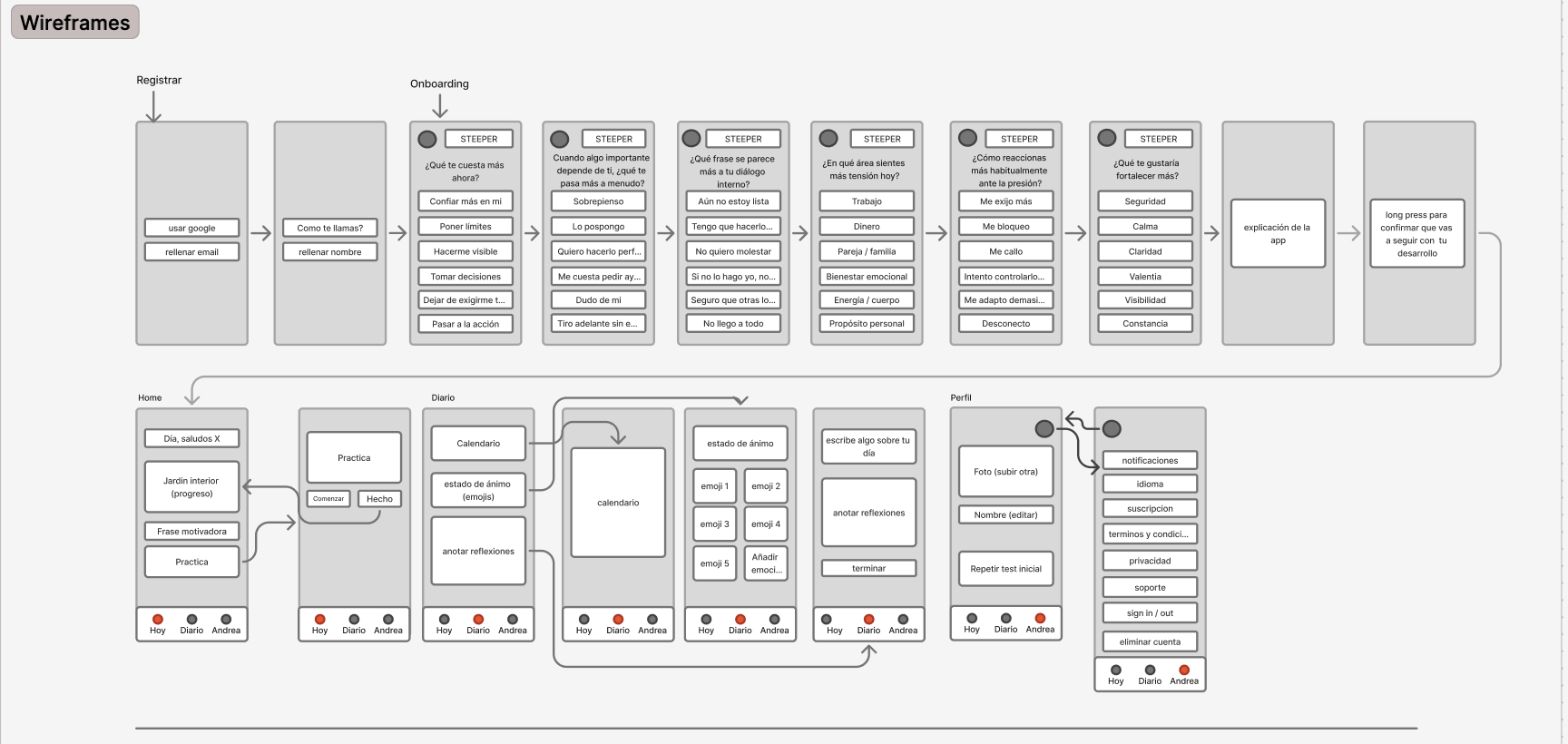
Wireframes
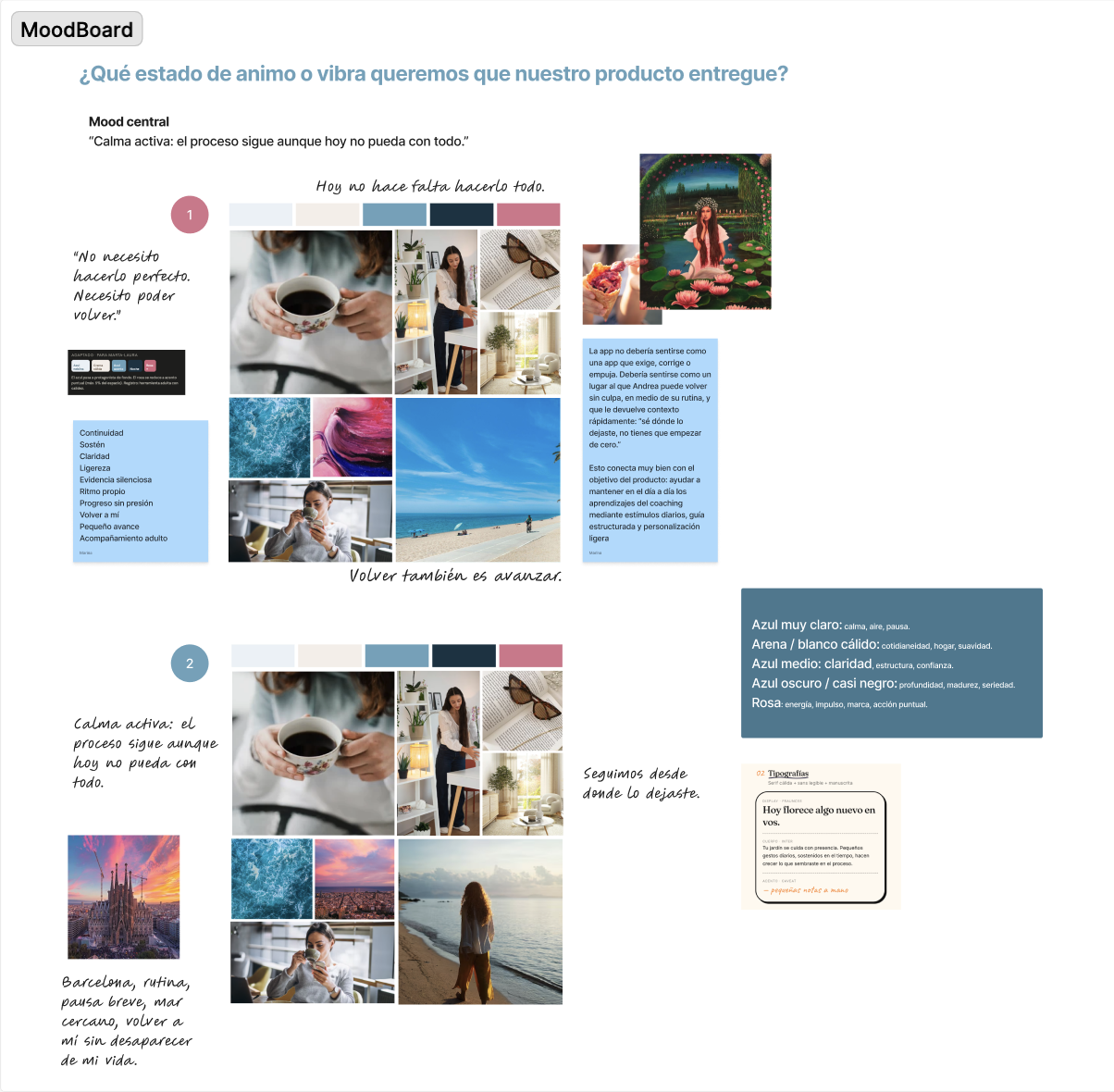
Moodboard
What I did: Moving the team from reading to designing
The consolidated research report was generated with AI. It was thorough, but too dense to design from: we skimmed it and stalled. Once everyone had read it through, I moved us into FigJam to build the Andrea persona and sketch flows together, with one rule on AI: it could pull ideas out of the report and the transcripts, but choosing between them was ours.
DesignThe prototype: a garden that never wilts.
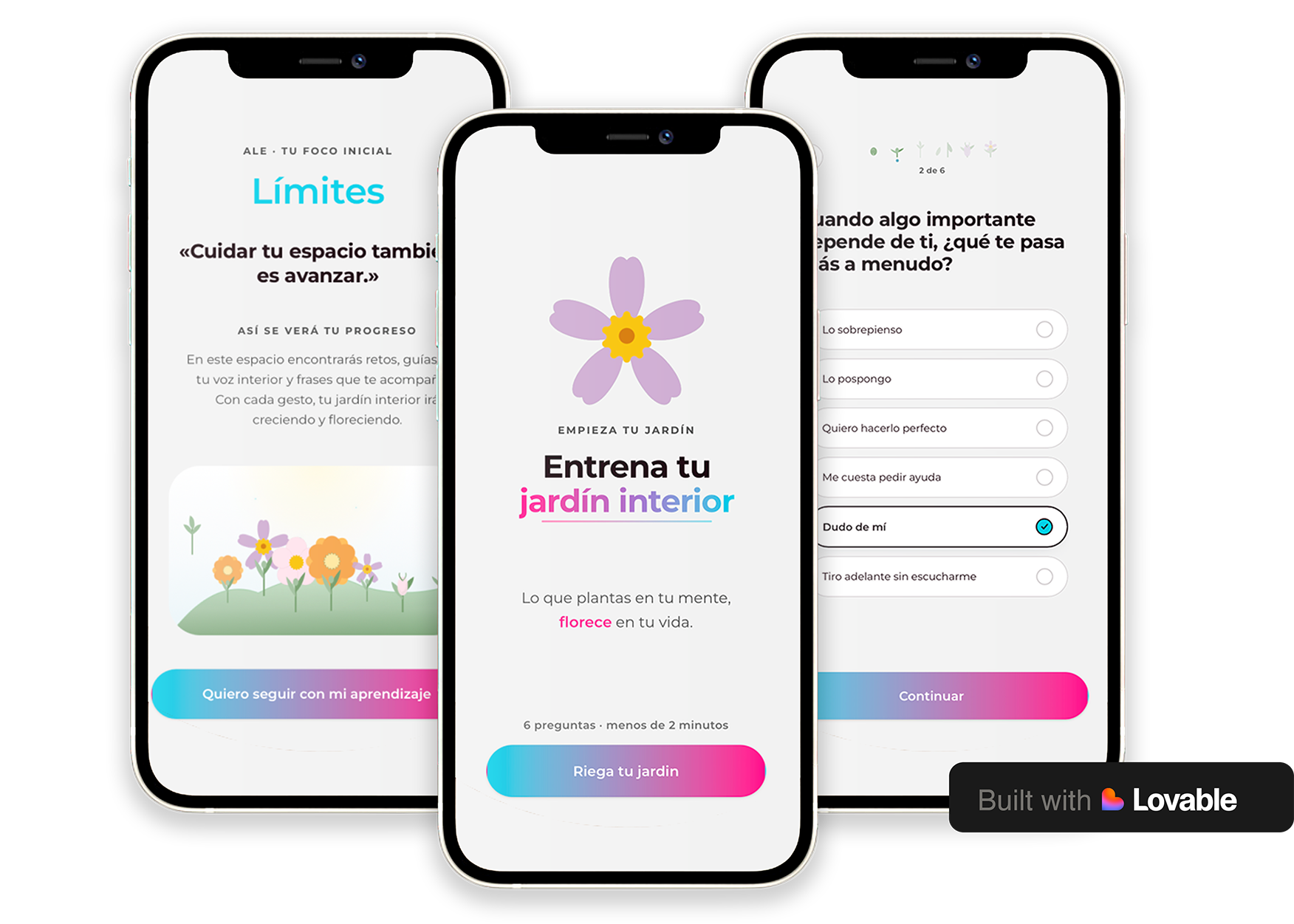
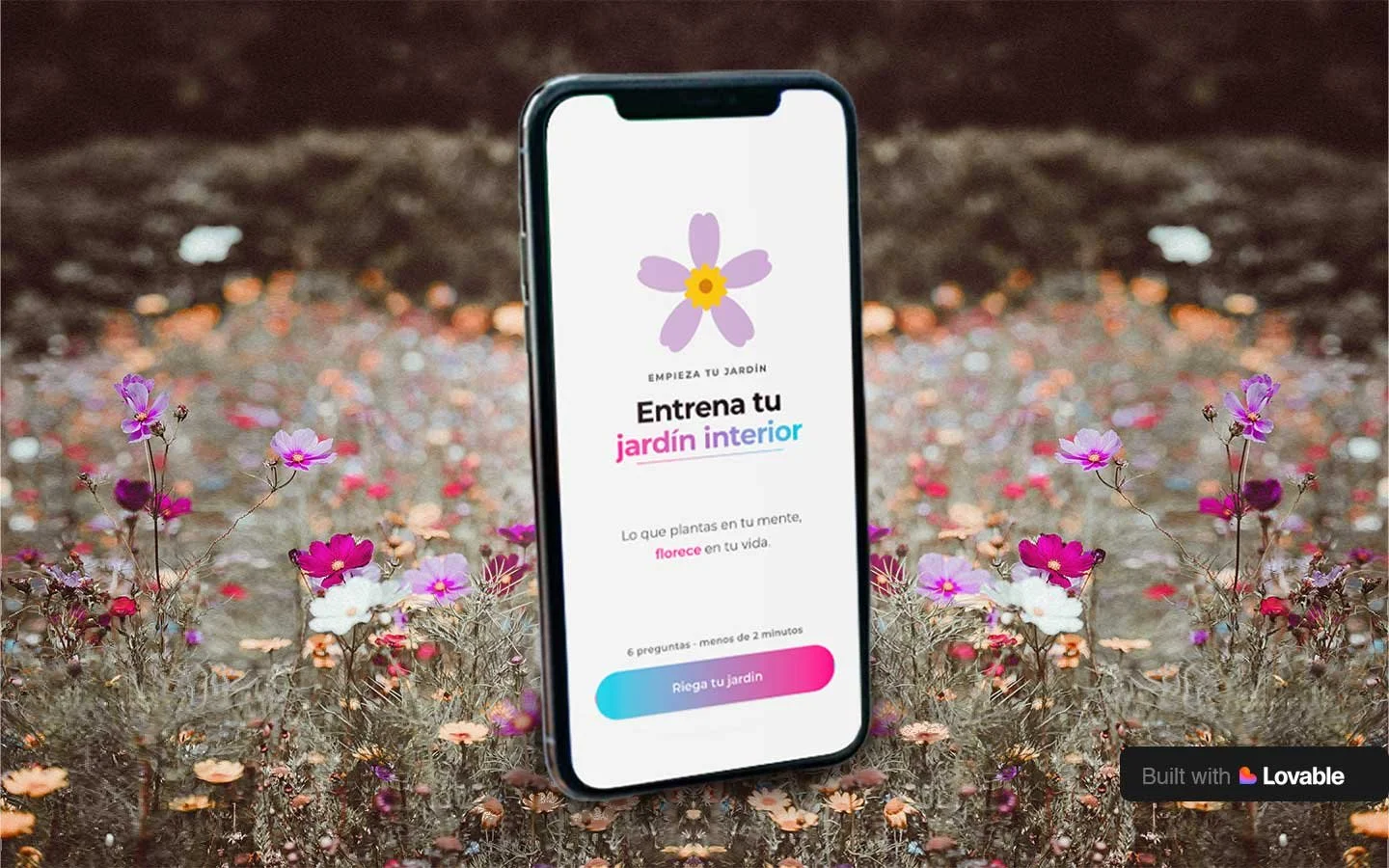
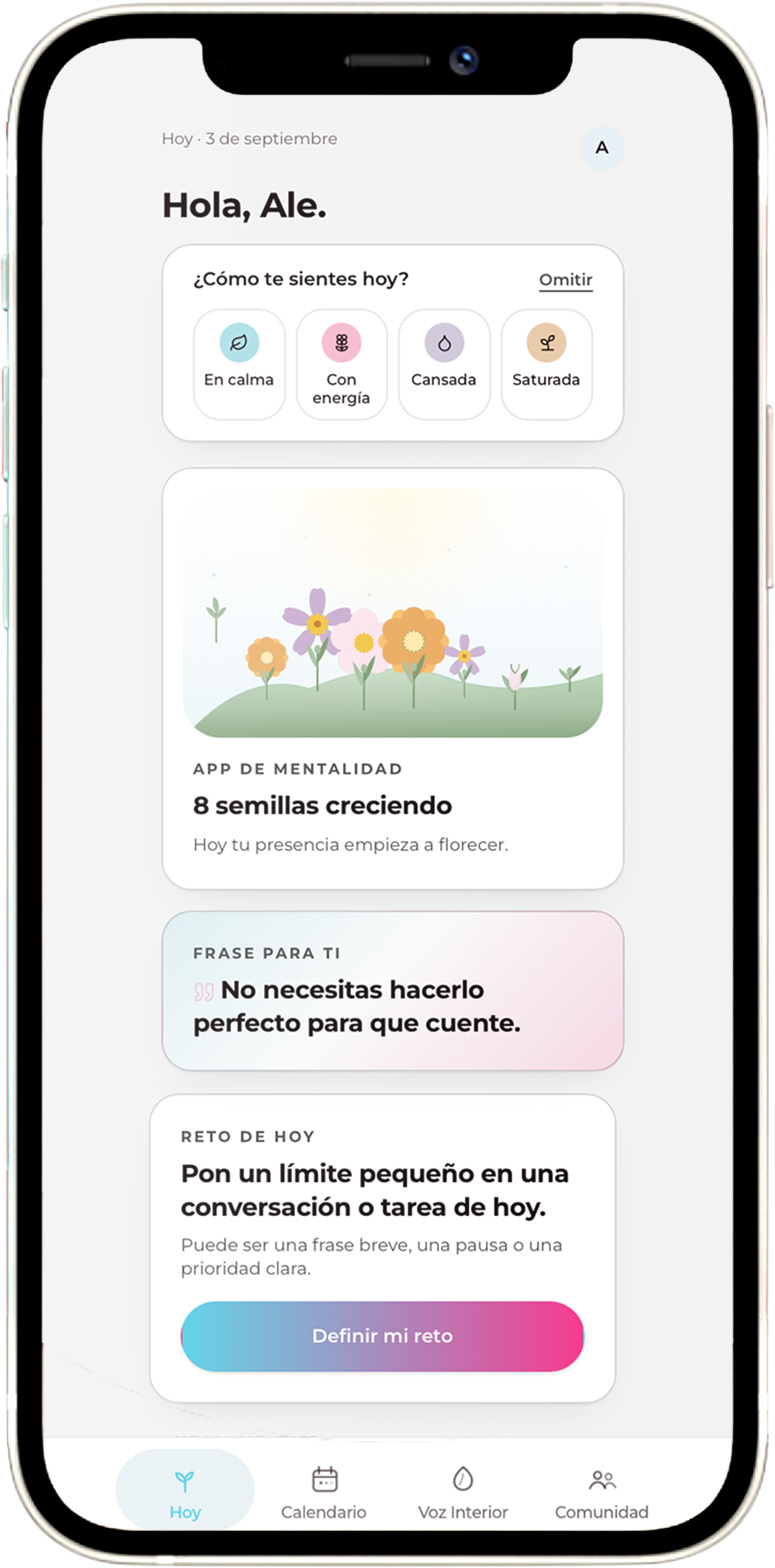
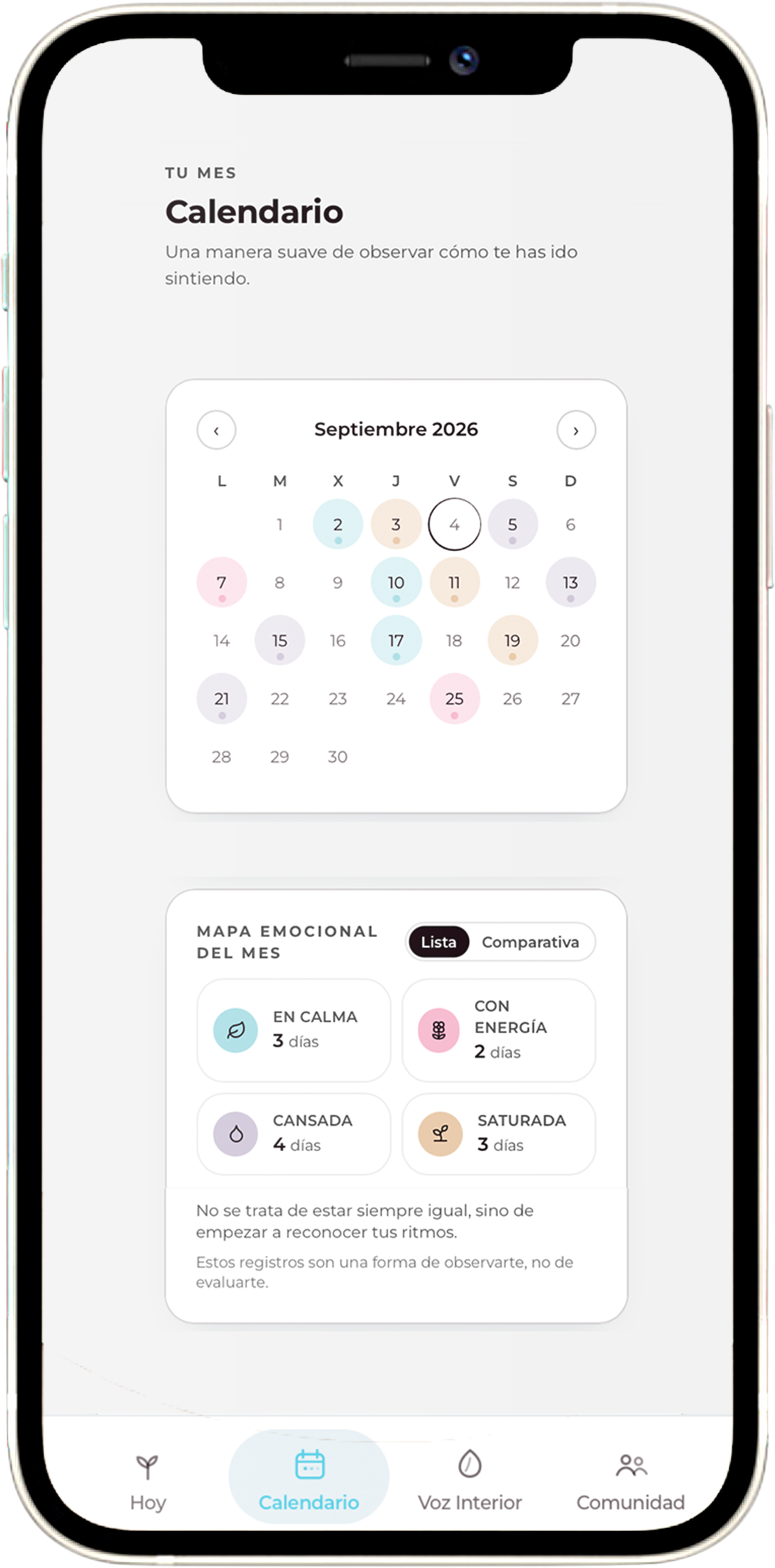
We took the classic habit-tracking pattern, the streak counter, and rebuilt it so a missed day leaves no mark. The garden grows when you complete a challenge. If you miss a day it simply stays as it is. It never wilts.
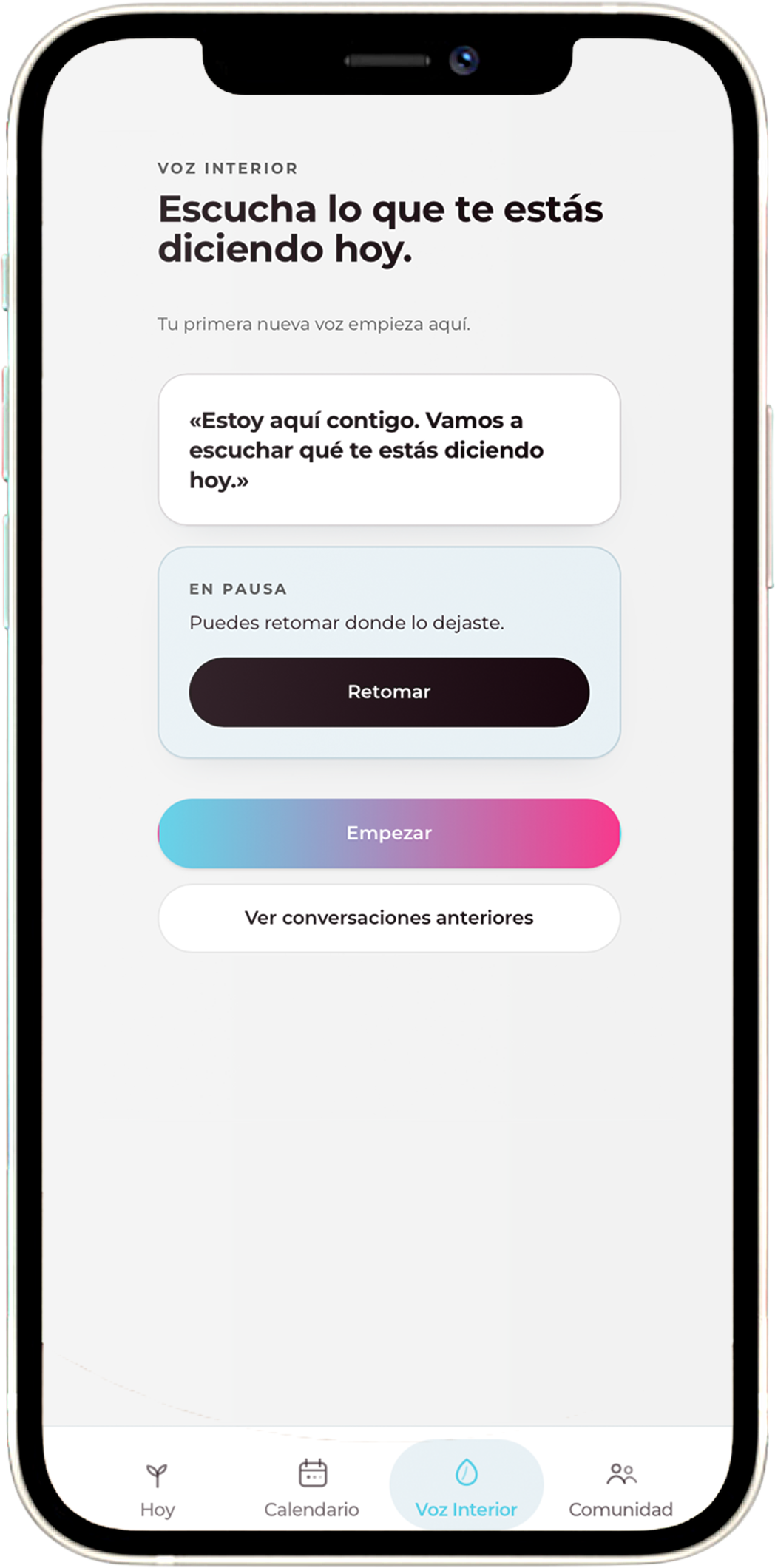
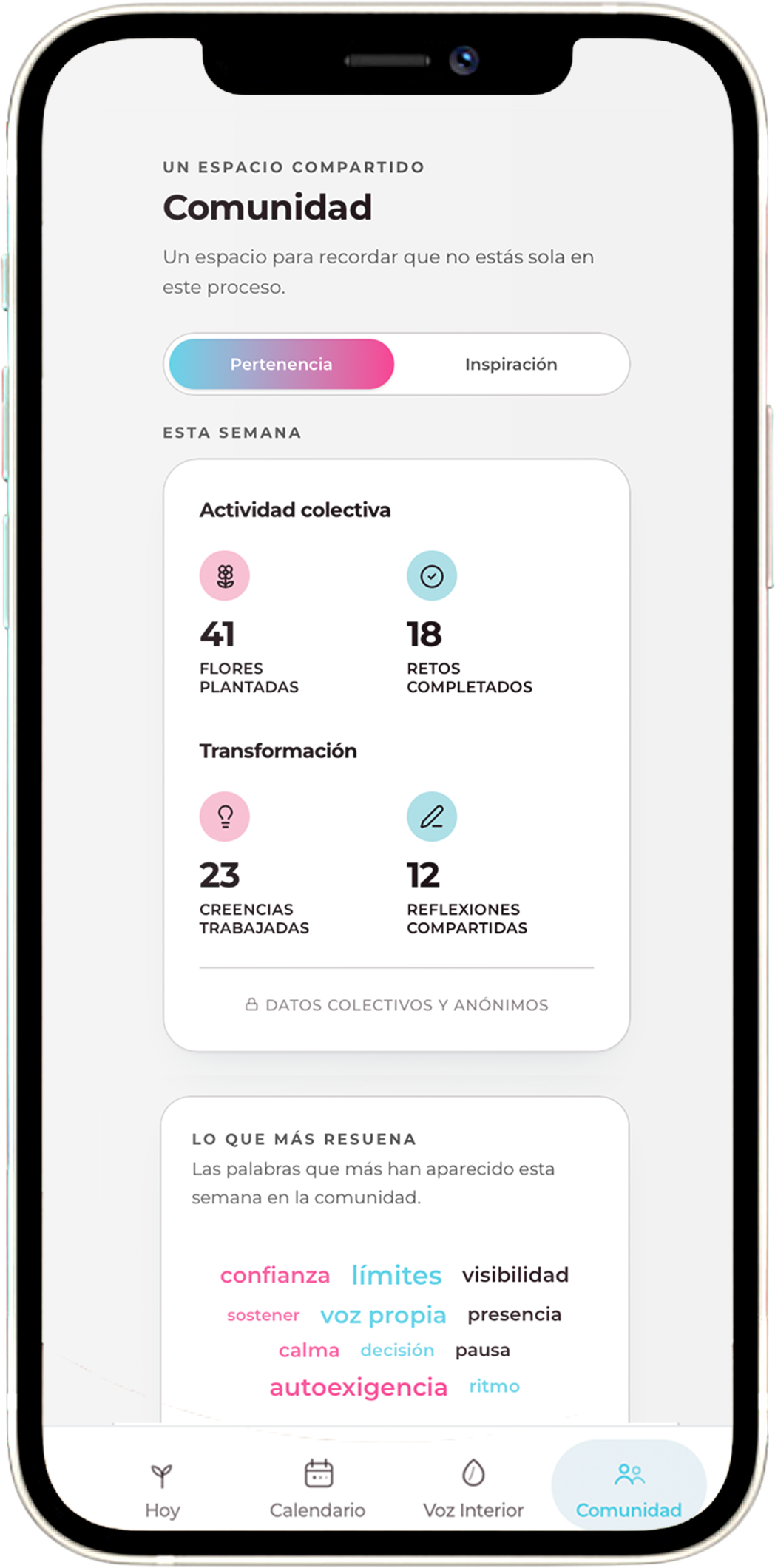
Around that, three features for the days when guilt wins: a calendar that shows how mood moved across the month, a chatbot that helps reframe critical inner dialogue, and a community space for a boost when it feels like you're the only one struggling.
What we did: Building the prototype together
The design work was shared among the four of us, with Marina, our vibecoder, doing most of the prompting in Lovable. We'd connect on calls where she shared her screen and we talked through direction as she built, learning it together as we went. Every decision came back to the anti-guilt principle: no pattern that would quietly reintroduce it. The vocabulary analysis gave us an approved and forbidden word list, "sostener" yes, "tiempo" no, which shaped the UX copy.
Testing
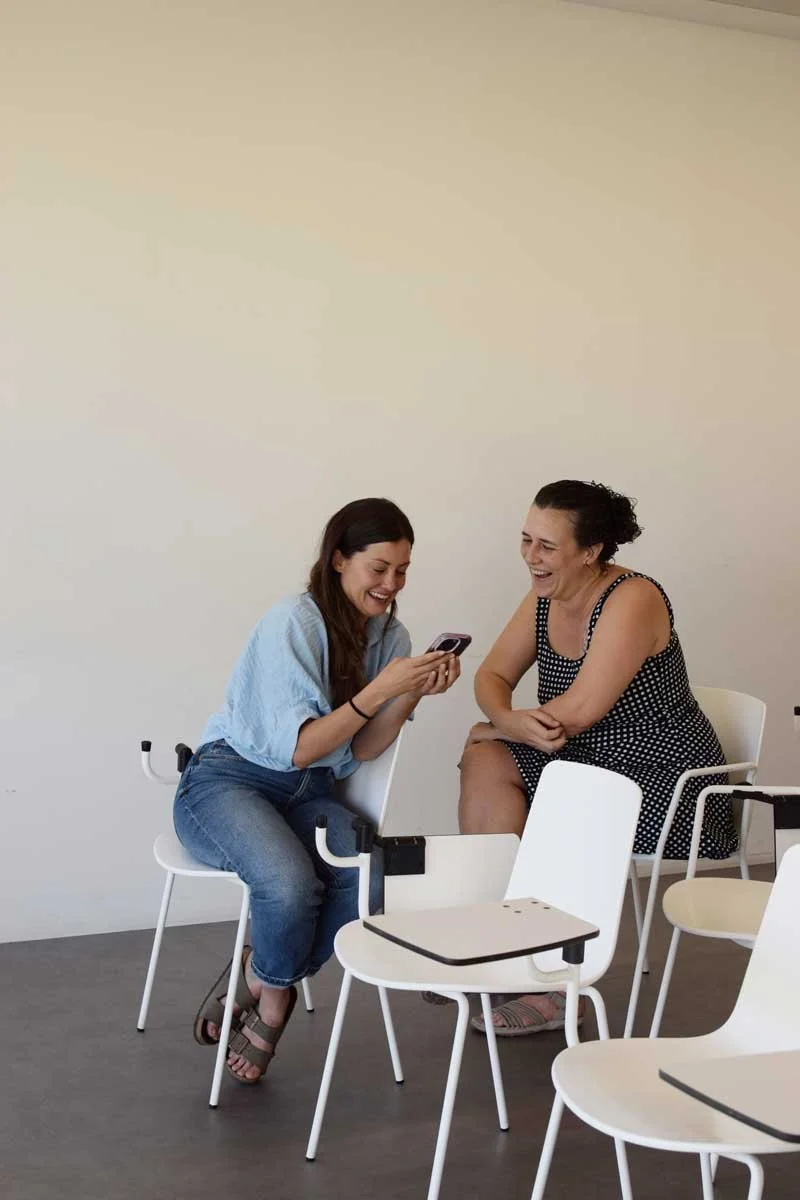
The prototype was tested at Demo Day with a live audience, alongside a survey validating UX and UI decisions.
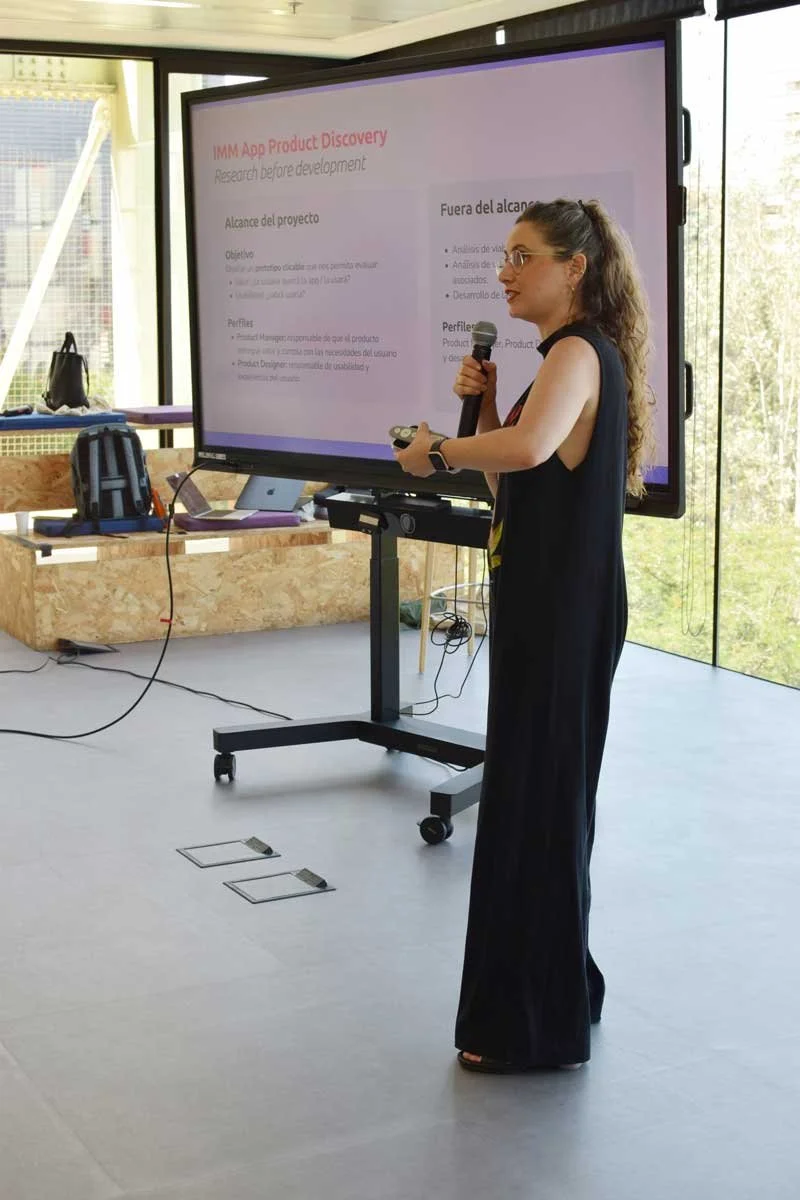
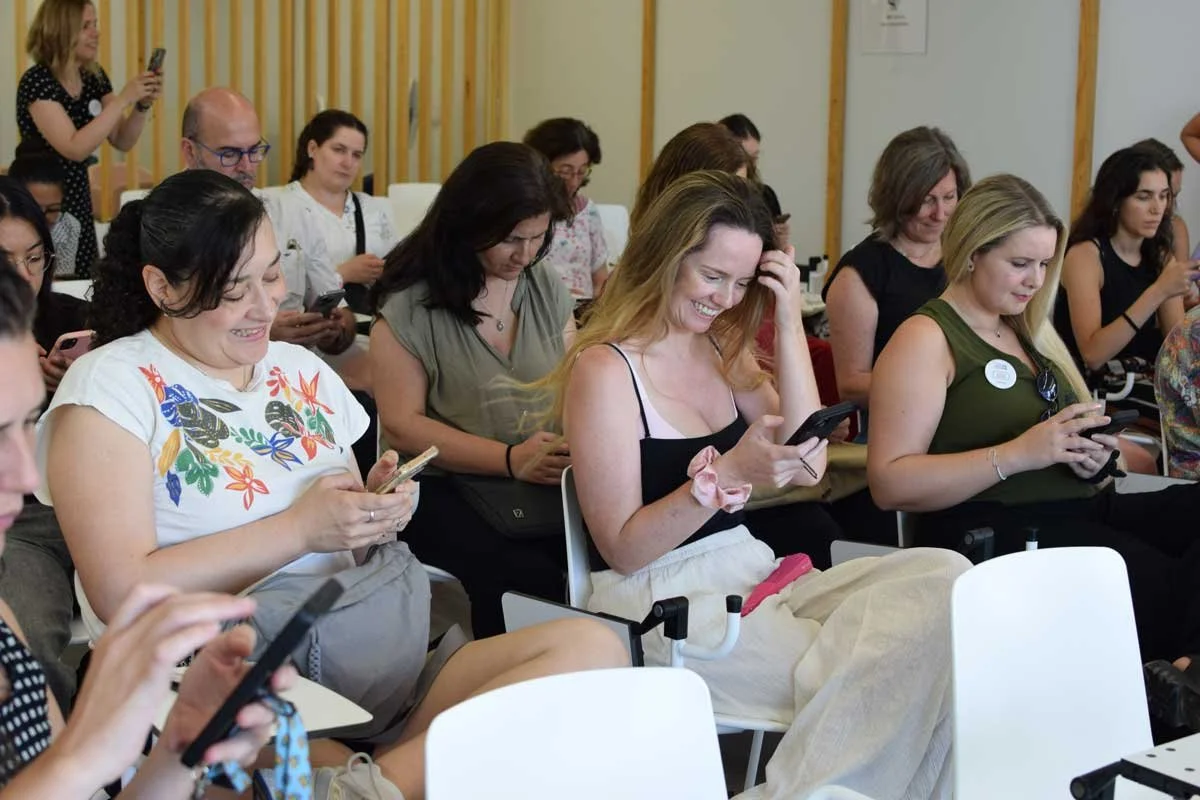
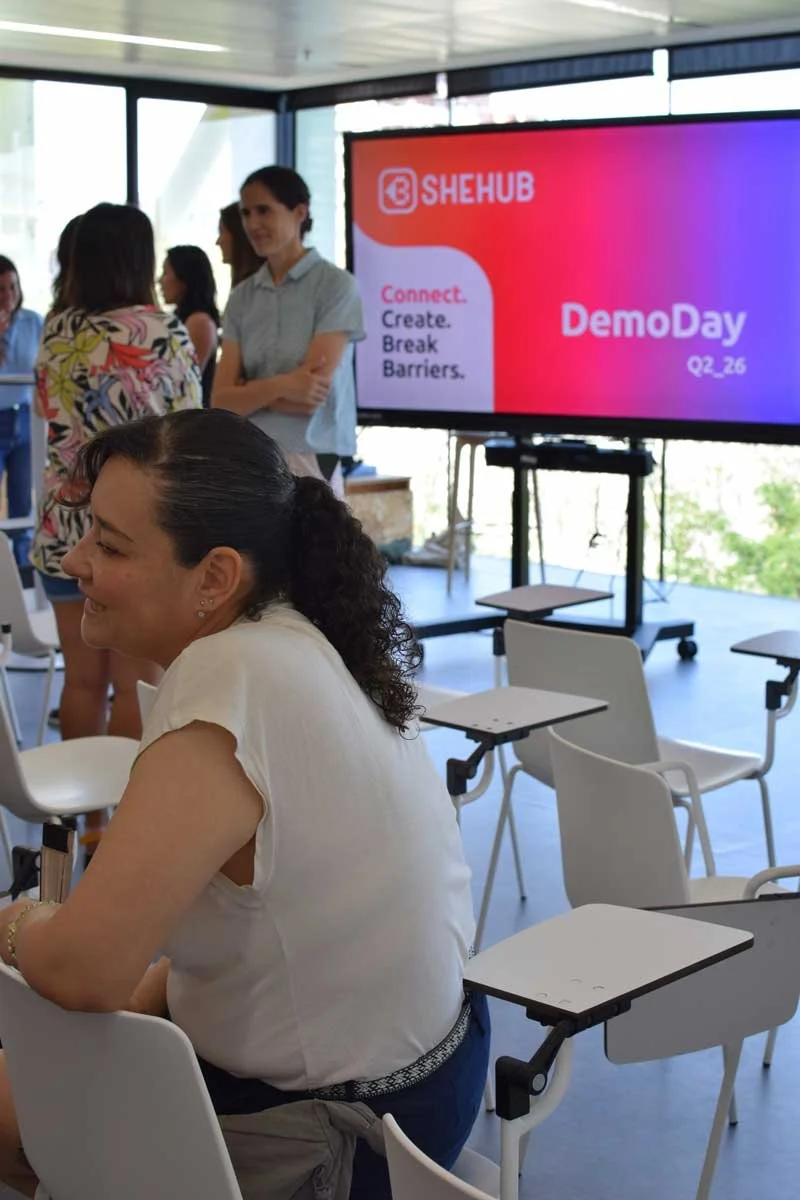
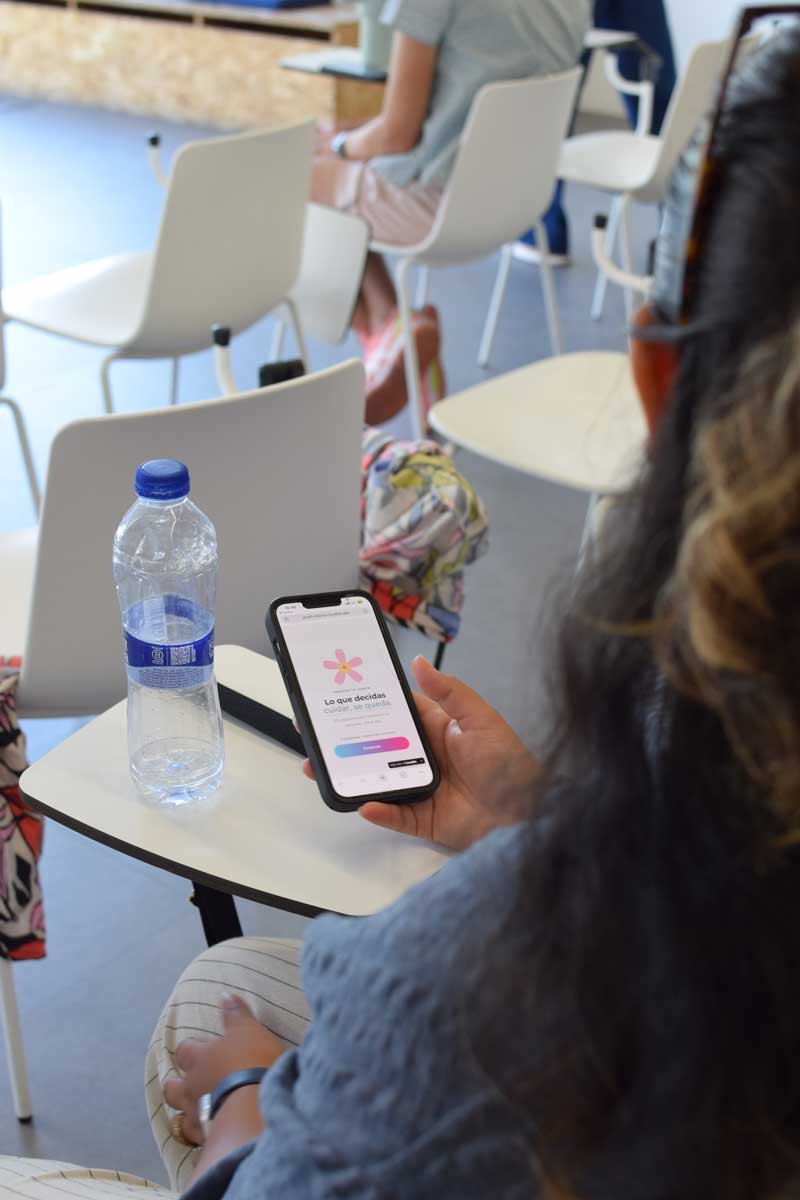
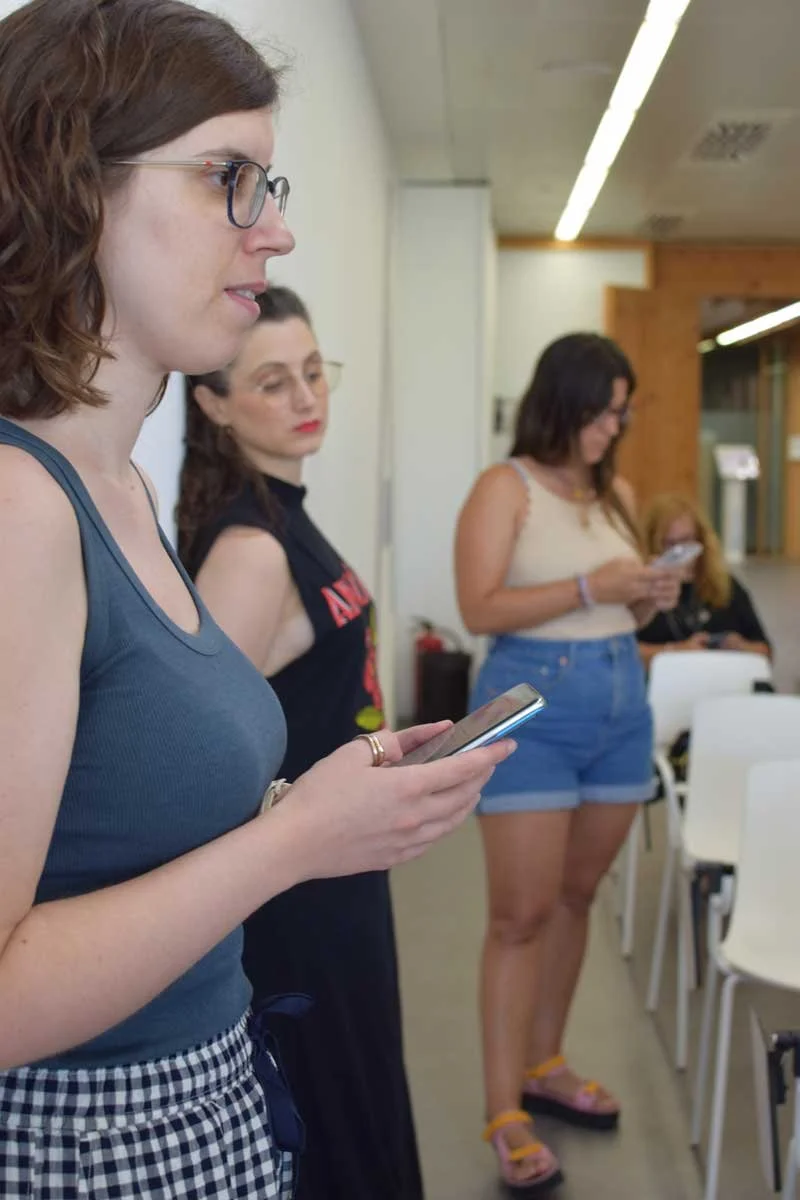
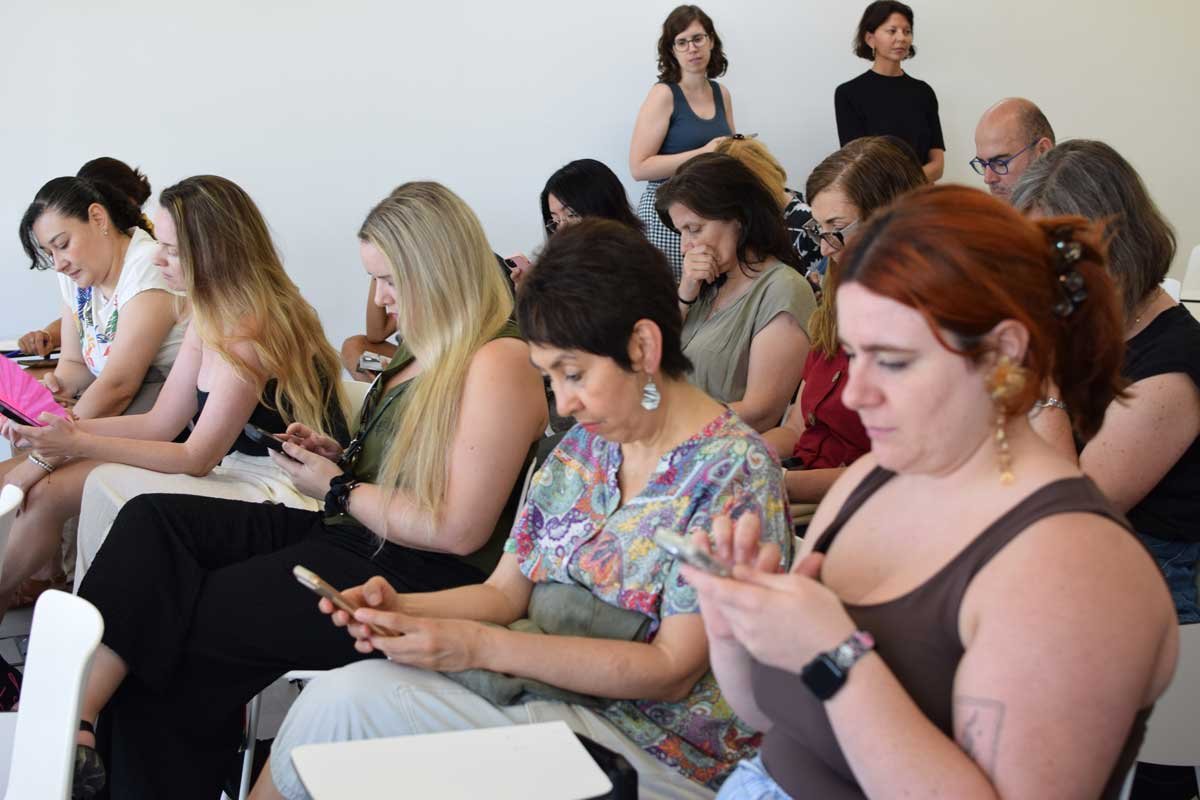
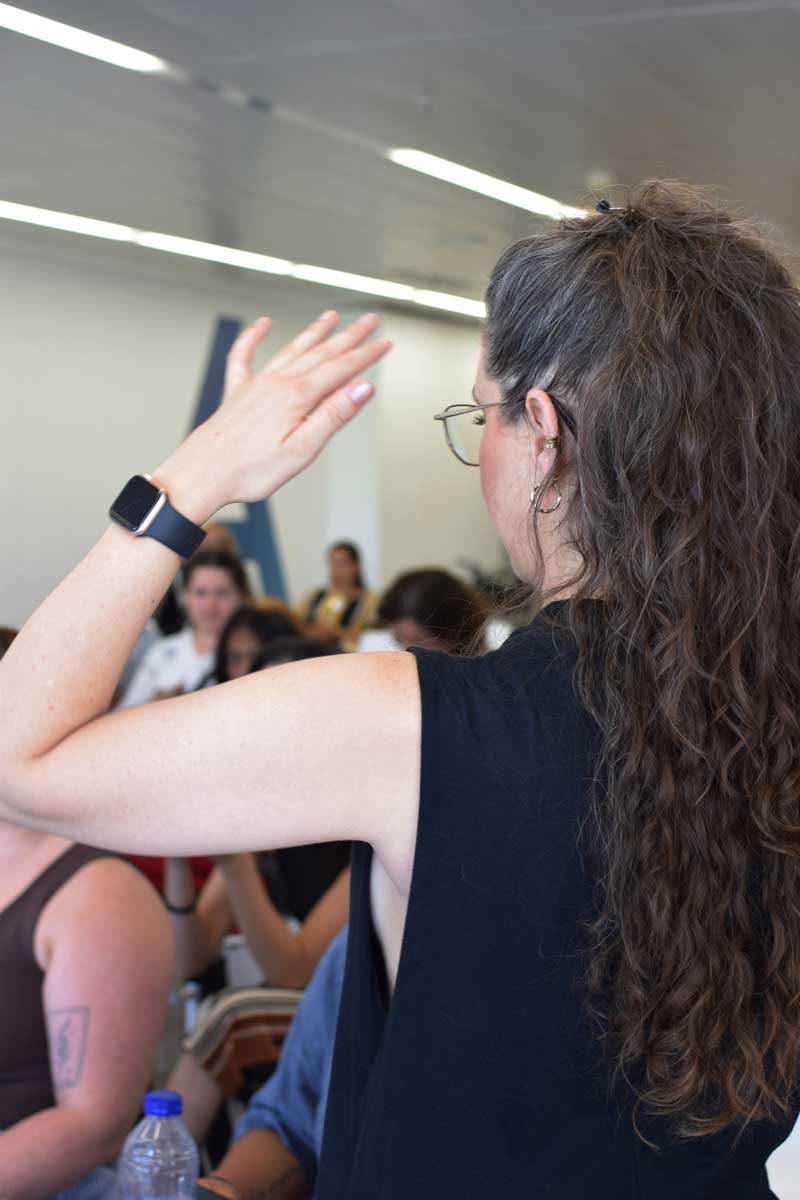
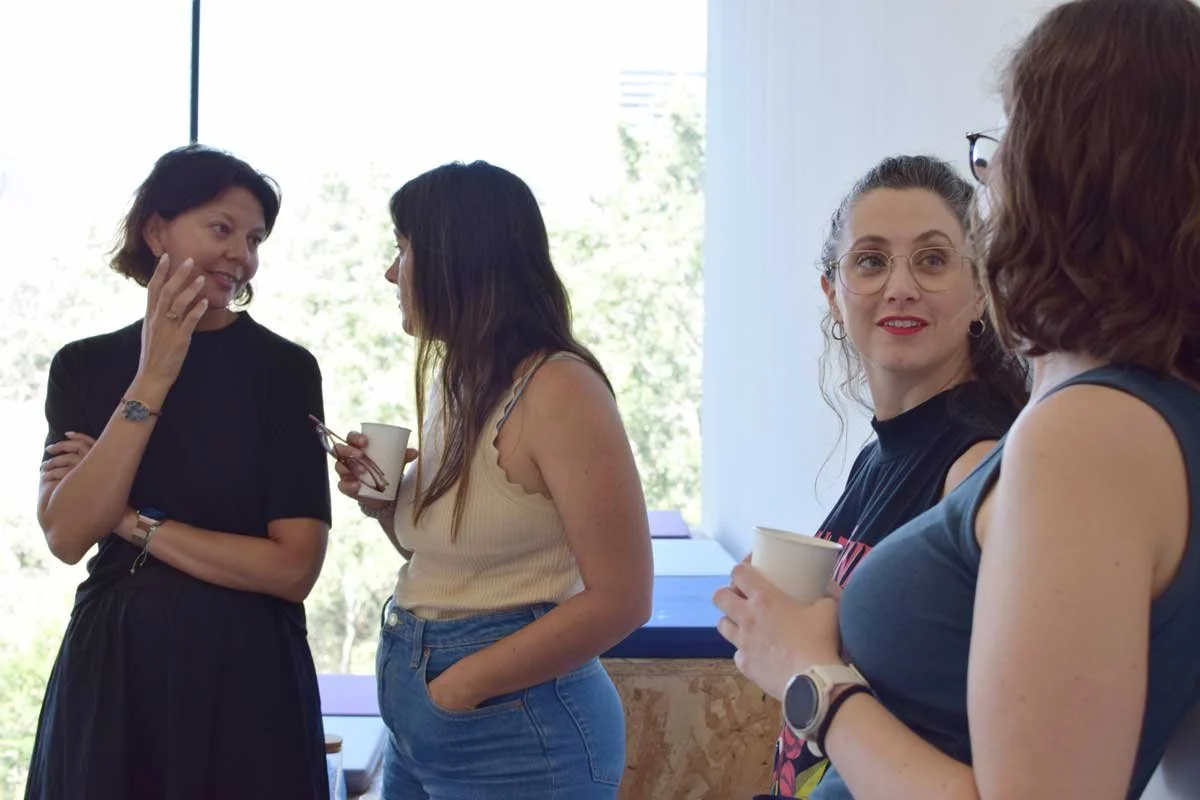
What I did: Kept the research relevant and on track.
I observed as a researcher and noticed we were testing for usability, not whether they found the value proposition appealing. Everyone was tapping through happily on a good day. So I asked the group to picture opening it on their worst day, the one with too much in it and no room for themselves. Those answers were our best evidence on the hypothesis, and they went to development as recommendations.
AI prototyping is how you sell discovery to someone who wants to skip it. Founders resist research because it delays the building, and building feels like the only real proof. But building the wrong thing is the expensive mistake. When discovery ends quickly in something they can tap and show others, the argument disappears.
Remote teams move fast by talking more, not less. For a Product Team to be agile and deliver quality results in remote settings, there needs to be a big investment in clear communication among all teammates.
Teams need to agree upfront on how they'll use AI. Generated context documents promise productivity, but they tend to move work rather than remove it: the time one person saves writing is transferred to whoever has to read, and something important usually goes missing in between. Much of what I did on this project was carry context across gaps a tool had made invisible.